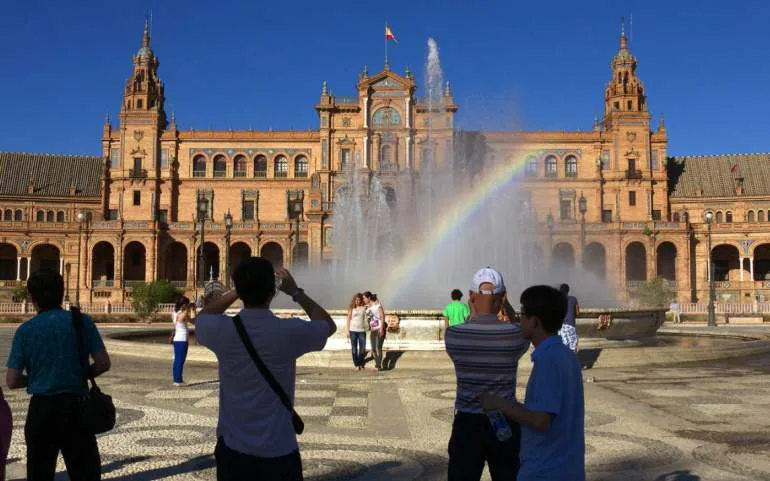
Madrid rewards the people who choose it deliberately. It is not a compromise between beach and mountains, nor a postcard town you visit for a long weekend — it is a working capital with a genuine centre of gravity, where the country's business, government, culture and transport all converge. Expats who thrive here tend to want exactly that: the energy of a real city, the reach of a hub, and a lifestyle that stays warm and human despite the scale. This guide walks you through why people move, where they settle, what it costs in broad terms, which immigration route usually fits, and the first legal steps once you land.
On this page
Why expats choose Madrid The best neighbourhoods — and who each suits Cost of living, honestly Which visa or route fits a Madrid move Healthcare: public and private International schools Getting around Lifestyle and food Your first practical steps Frequently asked questions
"Madrid is where many professionals relocate for work, which makes it prime territory for the Beckham regime and skilled-worker routes. If you're moving to the capital for a role, let's coordinate your visa and that tax election together, because the two are far easier to get right in one conversation."
— Lola Jurado · Immigration lawyer, Ilustre Colegio de Abogados de Málaga (nº 10907)
Why expats choose Madrid
The first thing to understand about Madrid is that it is unapologetically the capital. It is where Spain's largest companies base their headquarters, where the banks and law firms cluster, where government sits, and where international business gets done. For an executive being relocated, a founder raising money, or a specialist chasing the best roles, that concentration matters — the opportunities are simply denser here than anywhere else in the country.
Culturally, few European cities punch harder for their size. The Prado, the Reina Sofía and the Thyssen-Bornemisza form one of the great museum triangles in the world, and around them the city keeps up a relentless calendar of theatre, live music, exhibitions and food. None of it feels museum-quiet, either; Madrileños treat their streets and terraces as an extension of the living room, and the social life spills outdoors most of the year.
Madrid has no beach — and it is worth being honest about that, because it is the single feature most newcomers weigh. What it offers instead is four distinct seasons: crisp bright winters with the Sierra de Guadarrama visible on the horizon and skiing an hour away, a golden spring, a genuinely hot summer, and a long, mild autumn. The light is famous. The trade-off is real, but many people find they do not miss the coast as much as they expected once the city's rhythm takes hold.
Madrid is not a compromise between coast and mountains. It is a capital that offers something different — density, opportunity, and a social life lived outdoors.
Then there is connectivity, which quietly shapes daily life more than anything. The Metro is fast, clean, extensive and cheap, and it reaches almost everywhere you would want to go. Above ground, a dense bus and Cercanías commuter-rail network fills the gaps. And Adolfo Suárez Madrid–Barajas Airport, minutes from the centre and connected to it directly by Metro, gives you nonstop reach across Europe, the Americas and beyond — a decisive factor for anyone who needs to travel for work or keep close ties abroad. High-speed AVE trains put Barcelona, Seville, Valencia and Málaga within a comfortable day trip.
The best neighbourhoods — and who each suits
Madrid is a city of strongly defined barrios, and choosing the right one does more for your quality of life than almost any other decision. Here are the areas expats gravitate to, and the kind of person each tends to suit.
| Neighbourhood | Character | Best for |
|---|---|---|
| Salamanca | Elegant, prestigious, grid-planned; luxury shopping on Calle Serrano, embassies, fine dining. | Executives and those who want polish, security and the best addresses. |
| Chamberí | Refined, residential, classically Madrid; handsome buildings, neighbourhood markets, low-key sophistication. | Professionals and couples who want central but calmer, with real local life. |
| Chamartín | Well-connected business district to the north; larger flats, good schools nearby, transport hubs. | Families and anyone commuting to the northern financial corridor. |
| Retiro | Green and gracious, wrapped around the city's great park; quiet streets, family feel. | Families and anyone who prioritises green space and calm near the centre. |
| Chueca | Vibrant, central, famously open and diverse; nightlife, cafés, a buzzing daily energy. | Younger professionals and singles who want to be in the thick of it. |
| La Latina | Historic and atmospheric; tapas bars, Sunday El Rastro market, narrow old streets. | Lovers of traditional Madrid, food and nightlife who don't mind the buzz. |
If you are relocating with a family, Chamartín, Retiro and the quieter pockets of Chamberí tend to win, thanks to space, calm and proximity to schools. Single professionals and couples on a first Madrid posting often start in Chueca, Malasaña or central Chamberí to be near the action, then move outward as priorities change. Salamanca remains the choice for those who want the address to match the ambition. There is no wrong answer — only a fit, and it is worth spending a couple of weeks in different areas before signing a lease.
Cost of living, honestly
Madrid is the most expensive city in Spain alongside Barcelona, and newcomers should budget accordingly — but it is important to keep the comparison honest. Against the global cities many expats arrive from, Madrid remains markedly cheaper. Housing, eating out, transport and everyday services all sit comfortably below what you would pay in London, New York, Paris or the major hubs of Asia. The city feels generous in a way those places rarely do: a good meal out, a taxi across town or a monthly transport pass will each surprise you pleasantly.
Within Spain, though, adjust your expectations upward. Rent is the biggest line, and central, well-located flats in the prime neighbourhoods command a premium; the further you look from Salamanca, Chamberí and the historic core, the more your money stretches. We deliberately avoid quoting exact figures here — rents and prices move quickly and vary enormously by street, size and condition — but the pattern is consistent: pricier than most of Spain, easier than the world capitals you are likely leaving.
Which visa or route fits a Madrid move
Because Madrid draws working professionals and founders more than retirees, the immigration routes that matter here tend to be the ones built around employment, talent and entrepreneurship. The right choice depends entirely on your situation, but the typical Madrid movers fall into a few clear groups.
- Highly qualified professionals and executives — if you are being recruited into, or transferred to, a senior or specialist role, the highly qualified professional route is usually the natural fit, offering a faster, more streamlined path for skilled roles and their families.
- Founders and high earners (Beckham) — entrepreneurs, founders and internationally mobile executives frequently pair their move with the Beckham regime, the special tax treatment designed to make relocating to Spain attractive for qualifying new arrivals. Madrid, as the country's business capital, is where a great many Beckham cases are based.
- Remote workers and freelancers — if your income comes from clients or an employer abroad and you can work from anywhere, the digital nomad visa is often the cleanest route into a Madrid life, and it can interact with favourable tax treatment.
- Families — most of the routes above allow you to bring your spouse and children, and the choice usually flows from the working partner's situation. Getting the primary application right is what unlocks the family's move.
The route that fits a Madrid move almost always follows the work: skilled employment, founder relocation, or remote income. Get the primary application right and the family follows.
Not sure which of these describes you? Our visa eligibility quiz is a quick, no-obligation way to narrow it down before you speak to anyone. The categories overlap more than people expect, and the best route is rarely obvious from the outside — which is exactly why the early conversation is worth having.
Healthcare: public and private
Healthcare is consistently one of the things expats rate most highly about Madrid, and rightly so. Spain's public system is well regarded, and the capital hosts some of the country's flagship hospitals — large teaching and research centres such as La Paz, Gregorio Marañón, Ramón y Cajal, the Clínico San Carlos and the Doce de Octubre, which draw complex cases from across the country. Once you are legally resident and registered, the public system becomes the backbone of your care.
Alongside it sits an excellent private sector, and many expats carry private insurance for speed, choice of specialist and English-speaking service. Well-known private hospital groups — names such as Quirónsalud, HM Hospitales, Ruber and Sanitas' network — run modern facilities across the city, and appointments tend to be quick. In practice, a great many international residents use both: the public system as their foundation and a private policy for convenience. Whichever route you choose, Madrid is a reassuring place to fall ill.
International schools
For relocating families, schooling is often the decisive factor, and Madrid is unusually well served. The city and its surrounding towns host a deep bench of international schools following the British, American, French, German and International Baccalaureate curricula, so children can continue in a familiar system or transition gradually into a bilingual one.
Many of the most sought-after schools sit in the leafier northern and western zones — around Chamartín and the suburbs beyond — which is one reason those areas are so popular with international families. Places at the top schools can be competitive and waiting lists real, so it is wise to research and apply early, ideally before you finalise where in the city to live. If bilingual immersion appeals, Madrid also offers a strong network of Spanish schools with bilingual programmes, a route many long-term families choose for its integration benefits.
Getting around
Few things make Madrid easier to love than how simple it is to move around. The Metro is the star: extensive, frequent, spotless by big-city standards, and inexpensive, with a monthly travel pass that covers Metro, bus and Cercanías across the zones and makes owning a car genuinely optional. For most central residents, a car is more burden than benefit.
Above ground, the bus network is comprehensive, taxis and ride-hailing are plentiful and reasonably priced, and the city has invested heavily in cycling infrastructure and pedestrian zones. The Cercanías commuter trains stitch the wider region together, and Barajas airport is a short, direct Metro ride from the centre — a small daily luxury that frequent travellers quickly come to depend on. When you want to leave the city, the high-speed AVE network turns much of Spain into a day trip.
Lifestyle and food
What ultimately keeps people in Madrid is the way life is lived here. The city runs on a later, more sociable clock than northern Europe: lunches stretch, dinners start late, and the terraces stay full long after dark. It is an outdoor, face-to-face culture, and newcomers are often struck by how quickly they build a social life around neighbourhood bars, weekend markets and the ritual of the paseo.
The food deserves its own mention. Madrid pulls the best of every regional cuisine in Spain into one city, from Galician seafood to Basque pintxos to Andalusian fried fish, and layers on a thriving modern dining scene and a tapas culture that turns eating out into a nightly social event. The Retiro park, the Sierra a short drive away for hiking and skiing, and a calendar of festivals and football fill the rest. It is a demanding city in the best sense — it asks you to show up and take part — and those who do rarely want to leave.
Your first practical steps
Once your route is chosen and your move underway, a short sequence of administrative steps turns you from a visitor into a settled resident. None is difficult on its own, but the order and the paperwork matter, and getting them right early saves a great deal of friction later.
- NIE — the foreigner's identification number is the key that unlocks almost everything: opening a bank account, signing a lease, starting work, paying tax. Securing it is usually the very first practical task.
- Empadronamiento — registering your address at the local town hall (the padrón) is a simple but important step that underpins healthcare registration, school enrolment and later residency formalities.
- TIE — the physical residence card that evidences your legal status in Spain. Once your visa or authorisation is approved, you complete the process by attending an appointment, giving fingerprints and collecting the card.
Alongside these, you will typically open a Spanish bank account, arrange healthcare cover, and register with the tax authorities as your circumstances require. Done in the right order, the whole process is a matter of weeks rather than a source of stress — and it is precisely the part where a dedicated lawyer for your immigration matters earns their keep, by sequencing the steps and handling the appointments so you can focus on settling in.
Frequently asked questions
Is Madrid a good choice if I really want a beach?
Honestly, no city is perfect — Madrid has no coast. But it offers four true seasons, mountains within an hour, and fast trains to the coast for weekends. Many people who worry about the beach beforehand find the city's other strengths more than compensate.
Do I need to speak Spanish to move to Madrid?
You can arrive with little and get by in central, international circles, but learning the language transforms daily life and integration. Madrid is a welcoming place to learn, and effort is warmly received.
Should I buy a car?
For most central residents, no. The Metro, buses and commuter trains cover the city so well that a car is often more hassle than help. Many expats never own one.
How do I know which visa route fits me?
It depends on your work, income and family. The highly qualified, Beckham and digital nomad routes cover most Madrid movers — our quiz and an early conversation will point you to the right one.
General information, not legal advice. Neighbourhood character, costs, schools and services change over time and vary by circumstance, and must be confirmed for your situation.