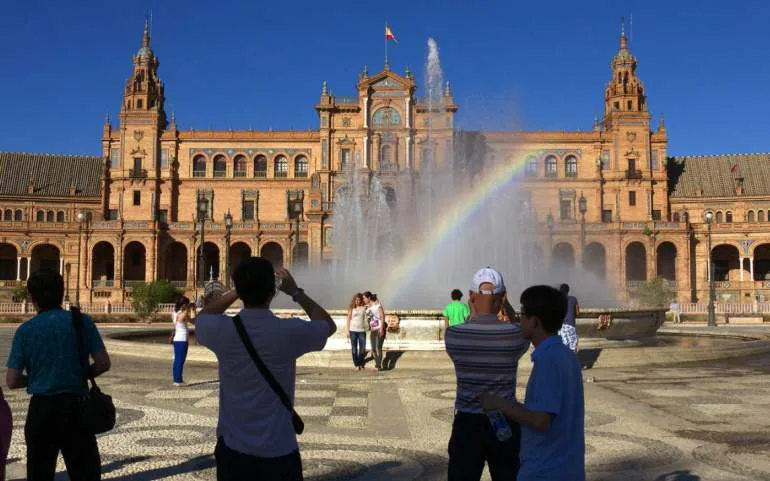
Palma de Mallorca has quietly become one of Europe's most coveted places to live, and the reason is a rare combination: it offers the ease and light of a Mediterranean island alongside the culture, dining and infrastructure of a genuine capital. For years the island was seen chiefly as a summer destination, but that image is out of date. Palma today is an increasingly year-round city, home to large, established German and British communities, a serious sailing culture, and a growing set of professionals and founders who have realised they can run their lives from an island without giving anything up. This guide walks you through why people move, where they settle, what it costs in broad terms, which immigration route usually fits, and the first legal steps once you land.
On this page
Why expats choose Palma The best areas — and who each suits Cost of living, honestly Which visa or route fits a Palma move Healthcare: public and private International schools Getting around Lifestyle, sailing and food Your first practical steps Frequently asked questions
"Palma offers island living with a genuine city behind it, though Balearic housing is competitive and a registered address is the foundation of your residency here. Let's line up your padrón and paperwork early so your Mallorca move rests on firm footing."
— Lola Jurado · Immigration lawyer, Ilustre Colegio de Abogados de Málaga (nº 10907)
Why expats choose Palma
The first thing to understand about Palma is that it is a real capital, not a resort. It is the seat of the Balearic Islands' regional government, the commercial heart of an archipelago, and a working city with its own rhythm that continues long after the summer crowds thin out. Walk through the old town on a bright winter morning — past the great sandstone cathedral, La Seu, rising above the bay, through the courtyards and patios of the historic quarter — and you feel a place lived in year-round, not shuttered for the season. That distinction matters enormously to anyone weighing a permanent move rather than a holiday.
What sets Palma apart from mainland Spanish cities is the depth and maturity of its international community. Mallorca has drawn Germans and Britons for generations, and the result is not a thin veneer of tourists but genuinely rooted communities — German bakeries and clubs, British schools and sports leagues, international estate agents, doctors and lawyers who work in your language, and a social fabric that makes landing softer than almost anywhere in Spain. Newcomers rarely feel isolated here; the networks already exist and are unusually welcoming.
Then there is the setting, which is simply exceptional. The Bay of Palma opens south to the sea; behind the city the Serra de Tramuntana mountains — a UNESCO World Heritage landscape — rise in terraced olive groves and stone villages. Within a short drive you move from a marina lined with yachts to a hidden cove, from a Michelin-starred table to a mountain hamlet. The island is compact enough that all of it stays within reach of the capital.
Palma is not a summer escape that empties in October. It is a year-round Mediterranean capital with a deeply rooted international community and connections to match.
Connectivity is the quiet advantage that makes island life practical. Palma's airport is one of the busiest in Spain, and crucially it stays busy through the winter, with frequent direct flights to Germany, the UK and much of Europe throughout the year. For someone who needs to see clients in Frankfurt or family in London, the island never feels remote — it is often a shorter, simpler journey than crossing a large mainland country. That single fact is what turns Mallorca from a holiday fantasy into a viable home base.
The best areas — and who each suits
Deciding where to live on Mallorca is really two decisions: which part of Palma itself, and whether to be in the city at all or out along the coast and into the mountains. Here are the areas expats gravitate to, and the kind of person each tends to suit.
| Area | Character | Best for |
|---|---|---|
| Palma Old Town | Historic, walkable, full of character; honey-coloured palaces, patios, galleries and the cathedral on your doorstep. | Those who want culture, walkability and city life within reach of the sea. |
| Santa Catalina | Buzzing, bohemian and fashionable; a converted fishermen's quarter of markets, cafés and restaurants. | Younger professionals, couples and food lovers who want energy and community. |
| Portixol & Molinar | Seaside-village feel just east of the centre; a promenade, beach clubs and a relaxed local scene. | Those who want the sea and a village atmosphere without leaving the city. |
| Son Vida | Palma's most exclusive residential hill; gated villas, golf courses, privacy and panoramic views. | High-net-worth families and executives who prioritise space, security and prestige. |
| Puerto Portals | Glamorous marina west of the city; superyachts, designer boutiques and waterfront dining. | Sailing enthusiasts and those who want a polished, cosmopolitan marina lifestyle. |
| Deià | Iconic Tramuntana village of artists and writers; stone houses clinging to the mountainside above the sea. | Those seeking beauty, calm and creative quiet over convenience. |
| Sóller | Lush valley of orange groves ringed by mountains, with a charming port and a historic tram. | Families and nature lovers who want village life with amenities and character. |
| Andratx & Port d'Andratx | Refined southwest; a traditional town and a picturesque yachting harbour prized by international buyers. | Those wanting an established expat area with a beautiful port and mountain backdrop. |
If the marina is part of the reason you are choosing Mallorca, price the boat as carefully as the apartment. A foreign-flagged yacht in a Balearic berth is normally sitting in a customs procedure granted on the footing that her owner lives outside the European Union, and taking up residence here is the event that unsettles it — along with the Spanish registration tax on craft over eight metres and, for an American hull with no CE marking, a technical assessment before Spain will register her at all. Bringing your US boat to Spain works through the sequence.
If you are relocating with a family, the western corridor between Palma and Andratx — including areas near Puerto Portals — tends to win, thanks to space, proximity to several international schools and easy access to both city and coast. Younger professionals and couples often start in Santa Catalina, Portixol or the old town to be near the action. Those seeking privacy and prestige look to Son Vida or the villages of the Tramuntana. There is no wrong answer here — only a fit — and because the island is small, it genuinely rewards spending a couple of weeks exploring different corners before committing to a lease or a purchase.
Cost of living, honestly
Mallorca is not a budget destination, and it is important to be candid about that. Island living carries a premium: everything, from housing to a restaurant meal to a bottle of imported wine, tends to cost more than on the mainland, because supply is finite and much has to be shipped in. Coastal and island property in particular commands strong prices, and desirable areas near the sea or in the prime villages sit firmly at the top end of the Spanish market. Anyone comparing Palma to a mid-sized mainland city should expect to pay more for the same square metres.
That said, keep the comparison honest against the places many expats arrive from. Measured against London, Munich, Zurich, New York or the wealthier corners of northern Europe, Mallorca can still feel like good value — and the quality of life it buys is difficult to price. We deliberately avoid quoting exact figures here, because coastal and island prices move quickly and vary enormously by location, view and condition, but the pattern is consistent: premium by Spanish standards, often reasonable by the standards of the international cities you are likely leaving.
Which visa or route fits a Palma move
Mallorca draws a broad mix of movers — retirees, remote workers, founders and wealthy families — so the immigration routes that matter here are more varied than in a business-focused mainland capital. The right choice depends entirely on your situation, but the typical Palma movers fall into a few clear groups.
- Retirees and the financially independent — Mallorca is a classic destination for those living on pensions, savings or passive income, and for them the non-lucrative visa is usually the natural fit, designed for people who can support themselves without working in Spain. It is one of the most common routes onto the island.
- Remote workers and freelancers — if your income comes from clients or an employer abroad and you can work from anywhere, the digital nomad visa is often the cleanest route into island life. A growing number of Palma's newer arrivals fit exactly this profile, running international careers from a terrace above the bay.
- Founders and high earners (Beckham) — entrepreneurs, founders and internationally mobile executives who do take up work or company activity in Spain frequently pair their move with the Beckham regime, the special tax treatment designed to make relocating to Spain attractive for qualifying new arrivals.
- High-net-worth families — Mallorca has long attracted affluent families seeking a base with privacy, schools and lifestyle. The right route usually flows from the source of income and assets, and getting the primary application right is what unlocks the whole family's move.
On Mallorca the route rarely follows a job — it follows your income. Pension, remote work, founder activity or independent means each points to a different path.
Not sure which of these describes you? Our visa eligibility quiz is a quick, no-obligation way to narrow it down before you speak to anyone. The categories overlap more than people expect, and the best route is rarely obvious from the outside — which is exactly why the early conversation is worth having.
Healthcare: public and private
Healthcare is one of the things that reassures newcomers most about island life, because Mallorca is genuinely well served. Spain's public system operates across the island, anchored in Palma by major hospitals such as Son Espases, the large modern reference hospital, and Son Llàtzer, which together handle complex care for the whole archipelago. Once you are legally resident and registered, the public system becomes the backbone of your care, and you are never far from a health centre wherever on the island you settle.
Alongside it sits a strong private sector that many international residents value for speed, choice of specialist and service in their own language. Well-known private hospitals and clinics operate in and around Palma, and the island's long expat history means English- and German-speaking doctors are unusually easy to find. In practice a great many international residents use both: the public system as their foundation and a private policy for convenience. For a location that can feel remote on the map, Mallorca is a genuinely reassuring place to need medical care.
International schools
For relocating families, schooling is often the decisive factor, and here Mallorca's deep international history pays off handsomely. Reflecting the size of the German and British communities, the island hosts an unusually rich set of international schools — several long-established German schools following the German curriculum, and a number of British schools teaching the English national curriculum and offering routes through to international qualifications, alongside other international and bilingual options.
Many of these schools cluster in the western belt between Palma and the southwest coast, which is one reason that corridor is so popular with international families. Places at the most sought-after schools can be competitive, and admission processes and waiting lists are real, so it is wise to research and apply early — ideally before you finalise exactly where on the island to live. For German- and English-speaking families in particular, the ability to keep children in a familiar national curriculum, in their own language, is one of Mallorca's most compelling practical advantages.
Getting around
Mallorca is an island where, realistically, most residents own a car. Palma itself is walkable and has a decent local bus network, plus a metro line and the beloved historic wooden train up to Sóller, but once you live outside the city — in a village, near a school, or along the coast — a car becomes part of daily life. The upside is that the island is small: nowhere is truly far, and the drive from the capital to the mountains, the ports or a quiet cove is measured in minutes, not hours.
Within Palma, the flip side holds: if you settle in the old town, Santa Catalina or Portixol, you may find you barely need to drive, with shops, cafés and the sea all within walking distance. For getting off the island, everything comes back to the airport, which sits just outside the city and offers frequent, year-round connections across Europe. Ferries from Palma's port also link the island to the mainland and to neighbouring Menorca and Ibiza, useful for those who want to bring a car or explore the wider Balearics.
Lifestyle, sailing and food
What ultimately keeps people on Mallorca is the way life is lived here. The island runs on an outdoor, unhurried rhythm: mornings on the water, long lunches, sunset walks along the promenade, weekends in a mountain village or on a boat. Above all, this is one of the great sailing capitals of the Mediterranean. Palma's marinas and the harbours dotted around the coast make the island a magnet for anyone who loves the sea, from serious racing crews during the regatta season to families who simply want a day out on the water — and that maritime culture shapes the whole social calendar.
The food, too, is a genuine pleasure. Mallorca combines a proud local cuisine — sobrassada, ensaïmada pastries, island wines from the Binissalem and Pla i Llevant regions, fresh fish straight off the boats — with a sophisticated international dining scene that has earned the island several Michelin stars. Add farmers' markets in the villages, beach clubs along the coast, world-class golf, hiking and cycling in the Tramuntana, and a cultural life centred on Palma's galleries and festivals, and the island offers a fullness of life that belies its size. It is a place people come to for a season and end up staying for good.
Your first practical steps
Once your route is chosen and your move underway, a short sequence of administrative steps turns you from a visitor into a settled resident. None is difficult on its own, but the order and the paperwork matter, and getting them right early saves a great deal of friction later.
- NIE — the foreigner's identification number is the key that unlocks almost everything: opening a bank account, signing a lease or purchase, starting activity, paying tax. Securing it is usually the very first practical task.
- Empadronamiento — registering your address at the local town hall (the padrón) is a simple but important step that underpins healthcare registration, school enrolment and later residency formalities. On the islands this is done at your municipality of residence.
- TIE — the physical residence card that evidences your legal status in Spain. Once your visa or authorisation is approved, you complete the process by attending an appointment, giving fingerprints and collecting the card.
Alongside these, you will typically open a Spanish bank account, arrange healthcare cover, and register with the tax authorities as your circumstances require. Done in the right order, the whole process is a matter of weeks rather than a source of stress — and it is precisely the part where a dedicated lawyer for your immigration matters earns their keep, by sequencing the steps and handling the appointments so you can focus on settling into island life.
Frequently asked questions
Is Mallorca a good place to live year-round, or just in summer?
Increasingly year-round. The large German and British communities live here permanently, the airport stays well connected through the winter, and the mild off-season climate and quieter pace are what many long-term residents love most. The island is far more than a summer destination.
Do I need to speak Spanish to move to Palma?
You can arrive with little and manage within the large international community, where German and English are widely spoken. But learning Spanish — and appreciating that Catalan is the co-official island language — transforms daily life and integration, and effort is warmly received.
Should I buy a car?
If you live outside central Palma, almost certainly yes — a car is part of island life. But if you settle in the old town, Santa Catalina or Portixol, you may find you barely need one, with everything walkable and the sea nearby.
How do I know which visa route fits me?
It depends on your income and plans. The non-lucrative, digital nomad and Beckham routes cover most Palma movers — our quiz and an early conversation will point you to the right one.
General information, not legal advice. Area character, costs, schools and services change over time and vary by circumstance, and must be confirmed for your situation.