
New residents often hear two simplified versions of Spanish healthcare: either "everyone gets public healthcare" or "foreigners must use private insurance forever." Both are too blunt. Spain does have a broad public healthcare system, and official Social Security guidance recognises healthcare rights for people with legal and effective residence in Spain when the conditions are met. But a new resident still has to prove the correct basis, register with the right authority and avoid undermining the immigration file by cancelling insurance too soon. For visa holders, the immigration and healthcare layers have to be read together.
This guide is the after-arrival sequence. It explains when private insurance remains the correct route, when the INSS or another competent body may recognise a public healthcare right, how the padrón and TIE fit into the process, and how the regional tarjeta sanitaria individual is normally obtained. The exact appointment process changes by autonomous community, but the logic is consistent: maintain continuous cover first, prove the legal basis second, then register locally.
On this page
First rule: no healthcare gap Which healthcare route applies? Private insurance and visa renewals Public healthcare recognition Documents to prepare Getting the regional health card Families and beneficiaries Common mistakes after arrival Frequently asked questions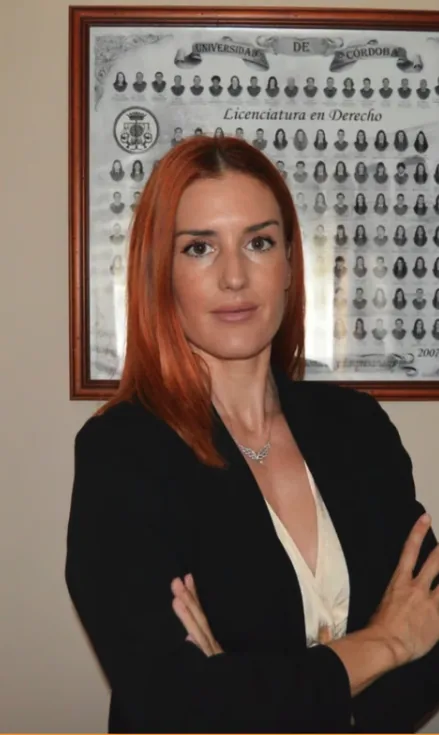
"Healthcare should not be left as an afterthought. In a clean residence file, insurance, registration and renewal evidence all tell the same story."
— Lola Jurado · Immigration lawyer, Ilustre Colegio de Abogados de Málaga (nº 10907)
First rule: no healthcare gap
The first rule after arrival is simple: do not let coverage lapse while you work out the final healthcare route. If your visa was approved with private health insurance, keep that policy active. If you arrived as an employee or self-employed professional who will contribute to Spanish Social Security, keep interim cover until the contribution and healthcare recognition process is complete. If you are relying on an EU, EEA, Swiss or UK coordination document, keep copies of the document and confirm how the Spanish regional health service wants it presented.
This matters for two reasons. First, healthcare is practical: you need access to a doctor, medication and emergency care during the first months. Second, healthcare is part of many immigration files. A non-lucrative resident, for example, normally had to show comprehensive private insurance to obtain the visa, and renewal authorities can review whether that cover remained valid. A gap that feels harmless administratively can become a weak point in a renewal file.
Which healthcare route applies?
There is no single route for every foreign resident. The right answer depends on why you are in Spain and what legal basis you have for healthcare. Workers employed in Spain and self-employed residents registered with Social Security usually enter the public system through contribution. Pensioners or benefit recipients may have a recognised right through Spanish Social Security or through coordination rules. EU, EEA, Swiss and UK residents may sometimes use an S1 or equivalent coordination document, depending on their facts and the competent country. Non-lucrative residents and many family members may need private insurance unless they have a separate right to public healthcare.
The distinction is important because the health centre cannot fix the legal basis for you. Regional health services issue the health card and assign the doctor, but the right to healthcare may have to be recognised first by the INSS, ISM or another competent route. The official Social Security material also separates the recognition of the right from the regional card: the INSS/ISM can recognise the healthcare right, while the autonomous community health service normally issues the tarjeta sanitaria individual.
| Your situation | Usual healthcare route | Key caution |
|---|---|---|
| Non-lucrative visa holder | Private insurance maintained for the visa and renewal | Do not cancel simply because the TIE was issued. |
| Employee in Spain | Social Security contribution, then public healthcare recognition | Confirm registration and keep proof from employer/payroll. |
| Self-employed/autónomo | RETA registration and contributions, then public healthcare route | Coordinate immigration, tax and Social Security dates. |
| EU/UK pensioner with S1-style rights | Register the coordination document with Spanish authorities | Rules depend on competent country and current documents. |
| Family member | Beneficiary of a recognised holder or own insurance/right | Family link, dependency and residence evidence matter. |
Private insurance and visa renewals
For many immigration routes, private insurance is not just a convenience; it is a requirement. The non-lucrative visa is the clearest example. Consulates and immigration offices normally expect a policy with full cover in Spain, from an authorised insurer, with no co-payments or exclusions that make it materially weaker than public healthcare. Some student and family situations also rely on private insurance, depending on the exact route. The policy should cover each family member, match the residence period and be renewable before expiry.
The mistake is treating the TIE card as the end of the insurance requirement. The TIE proves residence; it does not rewrite the conditions that justified the authorisation. If a later renewal asks for evidence of continued healthcare cover, cancelling the policy after arrival creates an avoidable problem. Before moving from private insurance to public coverage, confirm that you have a separate public-healthcare basis and that the change is compatible with the route you will renew under. Where the facts are mixed, keep private insurance through the next renewal rather than improvising.
Public healthcare recognition
When a public healthcare route applies, the first administrative question is recognition of the right. Official Seguridad Social guidance states that the healthcare benefit is aimed at the medical and pharmaceutical services needed to preserve and restore health, and it identifies Spanish nationals and foreign nationals with established residence in Spain among the holders of the right, subject to the applicable rules. Separate official guidance explains that the INSS and ISM recognise the right, while autonomous communities handle the individual health card and access to local services.
In practice, a new resident may need to request or download a document accrediting the right to healthcare before the regional health service issues the card. The request can often be handled online with digital identification, through Social Security channels, or in person by appointment. If the right comes from work, self-employment, a pension, a benefit or a beneficiary relationship, gather documents that prove that basis. If the right comes from another country under coordination rules, make sure the Spanish authority receives the correct document and that it is valid for the residence period.
Public healthcare registration is not one appointment; it is a chain: prove the right, prove the address, then register with the regional service that will issue the card.
Documents to prepare
The exact list changes by region and by the basis of your right, but the core file is predictable. Prepare passport, NIE or TIE, padrón certificate, proof of the recognised healthcare right, and family documents where beneficiaries are added. For non-EU nationals, official guidance on healthcare-right documents commonly refers to the TIE in force as evidence of residence authorisation. For EU, EEA or Swiss citizens, the central foreigner registration certificate may be relevant. For family members, marriage, civil partnership or birth certificates may be required, often legalised or translated depending on origin.
Keep copies in two groups: immigration and healthcare. Some documents overlap, but the purpose is different. The padrón proves your local address for the health centre; the TIE proves residence; the INSS or equivalent document proves entitlement; the insurance policy proves private cover. When you later renew immigration status, that same orderly file shows continuous residence and continuous healthcare cover rather than a patchwork of last-minute downloads.
Getting the regional health card
Once the legal basis is clear, registration moves to the autonomous community. The regional health service issues the tarjeta sanitaria individual, assigns a health centre and, in many places, a family doctor. This is where the padrón becomes practical: the health centre is tied to your registered address, so moving municipality can mean changing centre and updating the card. Bring the padrón certificate, identity document, healthcare-right evidence and any beneficiary documents to the appointment or online process requested by the region.
Do not confuse the regional card with emergency care. Emergency services can treat urgent situations, but routine primary care, prescriptions and referrals work far better once the health card and doctor assignment are complete. If you take ongoing medication, plan ahead: bring prescriptions and medical summaries from your previous country, check Spanish availability, and arrange a local appointment before supplies run out. Healthcare registration is administrative, but medication continuity is clinical and should not wait until the last box is empty.
Families and beneficiaries
Families should treat healthcare as one file per person, even where one person is the main holder. Beneficiary status normally depends on both the relationship and the facts: spouse, registered partner, children and certain dependent relatives may qualify in the right circumstances, but the family link and residence in Spain have to be shown. Children may need birth certificates; spouses need marriage evidence; registered partners may need registry certificates. If the documents are foreign, check apostille/legalisation and sworn translation needs before the appointment.
For immigration planning, the family timing matters. A family that arrived on private insurance should keep policies aligned, with no member expiring early. A working spouse who later gains a public healthcare route may be able to add qualifying beneficiaries, but that does not automatically remove every private-insurance requirement attached to the original immigration route. The safest approach is to map healthcare person by person, then decide whether any private policy can be cancelled after the legal basis is documented.
Common mistakes after arrival
The most common mistake is cancelling private insurance too early. The second is going to the health centre before the healthcare right is documented and then assuming a refusal means there is no route. The third is failing to register on the padrón, which can block assignment to the correct local centre. Other frequent problems include bringing untranslated family documents, forgetting that each family member needs evidence, moving address without updating the card, and treating overseas travel insurance as equivalent to Spanish resident cover.
The fix is to sequence it calmly. Keep insurance active. Register your address. Obtain the TIE or other residence evidence. Confirm the legal healthcare basis with the INSS, coordination document or private policy. Then register with the regional health service. For the broader arrival order, read the first 90 days in Spain checklist; for the identity-card step, see the TIE card appointment guide; and for private cover in visa files, see private health insurance for Spanish visas.
Frequently asked questions
Do new residents in Spain get public healthcare automatically?
No. Residence status alone does not always mean that you can walk into a health centre and receive a health card immediately. The route depends on whether you work or are self-employed in Spain, receive a qualifying pension or benefit, hold exportable cover such as an S1, or rely on private insurance for a visa route such as the non-lucrative visa.
What documents are usually needed to get a Spanish health card?
Expect to prepare passport, NIE or TIE, padrón certificate, proof of the healthcare right recognised by the INSS or other competent body, and any family documents if adding beneficiaries. Autonomous communities issue the health card, but the right itself is commonly recognised or evidenced before the local health service completes registration.
Can a non-lucrative visa holder use public healthcare in Spain?
Most non-lucrative applicants must maintain compliant private health insurance because that was part of the visa approval and will usually be reviewed again at renewal. Public healthcare may become relevant only if a separate legal basis exists, such as certain EU/UK coordination rights or a later change of status.
What is the difference between INSS recognition and the health card?
INSS recognition or an equivalent document confirms the right to healthcare under the applicable rules. The regional health service then uses that evidence, together with address and identity documents, to issue the tarjeta sanitaria individual and assign a health centre or doctor.
Should private insurance be cancelled after getting a TIE?
Not automatically. If your immigration route required private insurance, cancelling it too early can create a renewal problem. Review the visa route, renewal timing and any public-healthcare entitlement before changing cover.
General information, not legal, medical or tax advice. Healthcare rights, beneficiary status, regional health-card processes and immigration renewal requirements vary by route, autonomous community, timing and personal facts. Official sources checked for this guide include Seguridad Social guidance on healthcare recognition and the INSS/ISM role.