
US applicants often spend weeks gathering apostilles, bank statements and insurance certificates, then write the cover letter in ten minutes the night before the appointment. That is the wrong order. The letter is where a consular officer first meets you as a person rather than a stack of paperwork, and it is where a careless sentence can quietly move your file from “approve” to “let’s ask some questions.” This page explains what the letter is for, what it should contain, the one mistake that sinks more non-lucrative letters than any other, and how to keep it consistent with the rest of the application. For the overall document list, start with what documents the non-lucrative visa needs.
On this page
Is a cover letter required? What the letter is actually for What to include The remote-work trap Keeping it consistent Tone, length and language Strong letter vs weak letter Frequently asked questions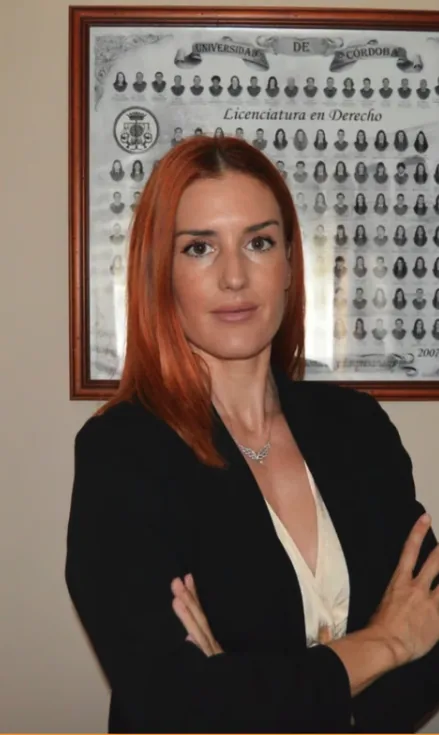
“The letter of intent is the only part of the file the applicant controls completely, and that is exactly why it goes wrong. People try to sound impressive and mention the business they still run, or the clients they still bill. In a non-lucrative file, the most persuasive letter is the calm one: I do not work here, this is what supports me, this is where I will live.”
— Lola Jurado · Immigration lawyer, Ilustre Colegio de Abogados de Málaga (nº 10907)
Is a cover letter required?
It depends on which Spanish consulate handles your file. Some consulates in the United States list a cover letter, letter of intent or carta de motivación as a named item on the non-lucrative checklist. Others do not mention it at all. A few ask instead for a specific declaration — for example, that you will reside in Spain without carrying out any professional activity. Because the list changes and differs by jurisdiction, the first step is always to read the current requirements for your own consulate rather than copying another applicant’s pack.
Even where the letter is optional, there is little reason to skip it. A consular officer reviewing dozens of files a day benefits from one clear page that explains, in plain language, what your application is about. It is also worth being precise about what the letter is not: it is not the national visa application form. As the guide to filling out the national visa form explains, that form is a structured identity-and-request document with fixed fields. The cover letter is the narrative that sits on top of it and connects the pieces.
What the letter is actually for
The non-lucrative visa rests on two ideas: you can support yourself in Spain from means you already have, and you will not work in Spain to do it. Every document in the file is evidence for one of those two points. The letter’s job is to state, in your own words, the story those documents prove — not to re-prove it. Think of it as the officer’s reading guide.
A good letter quietly answers five questions before the officer has to ask them:
- Who are you? Your situation in one or two lines — retired, financially independent, moving with a spouse, and so on.
- Why Spain, and why now? A genuine, personal reason to reside there, not a marketing paragraph about the weather.
- How are you supported? The type of income — pension, Social Security, dividends, rent, savings — pointing to the evidence rather than restating every figure.
- Where will you live? The city or region, and whether you have a rental or will arrange one on arrival.
- How long, and what is the plan? That you intend to reside in Spain for the visa period and, if true, to renew.
What to include
There is no official template, but a reliable structure keeps the letter short and complete. Most strong non-lucrative letters follow roughly this order:
- Heading and address. Date, your name, and the consulate you are applying to (“To the Consulate General of Spain in…”).
- The request. One sentence stating you are applying for a non-lucrative residence visa for yourself (and named family members, if any).
- Who you are. A short paragraph on your background and current situation.
- Means of support. The sources of your passive or already-earned income and a clear statement that they are sufficient to support you without working in Spain, referring to the enclosed financial evidence. See proof of income for what those documents are.
- No work in Spain. An explicit line that you will not carry out any lucrative or professional activity in Spain during your residence.
- Where and how long. Your intended city or region, housing plan and the period you intend to reside.
- Insurance and documents. A brief note that you hold compliant private health insurance and enclose the required certificates.
- Close. A courteous closing line, your signature and printed name.
Keep each paragraph tight. If you are moving as a couple or with children, one letter for the household usually works, with the dependants named; the family-specific issues live on the pages for retired couples and families with children.
The remote-work trap
This is the single most common way a non-lucrative letter damages a file. The visa is designed for people who will not work in Spain. Yet applicants, trying to look responsible and solvent, write sentences like “I will continue consulting for my US clients,” “I still manage my company remotely,” or “I earn income from my online business.” Each of those can read as active work — and active work points the officer toward the digital nomad visa or a work route, not this one.
The distinction is not about where the money lands; it is about whether you are performing an activity. Passive income — a pension, Social Security, annuities, dividends, interest, rent from property managed at arm’s length — supports a non-lucrative file. Ongoing services, consulting or running an operating business is the thing to keep out of the letter, because it can contradict the category itself. If you genuinely intend to keep working remotely, that is a real fork in the road, covered in can I work remotely on the non-lucrative visa; the letter is not the place to gloss over it.
Keeping it consistent with the file
The letter is read alongside everything else, so it has to match. Consular officers notice when the story drifts between documents. The classic mismatches are worth checking line by line:
- Region. If the letter says Valencia but your housing evidence and later interview say Málaga, explain the change or fix it. An unexplained switch reads as a file that was not thought through.
- Income. The income you describe should match the bank statements, pension letters and portfolio statements you enclose. A letter that claims a comfortable income sitting over statements that show almost no recurring inflow is a red flag.
- Family. The people named in the letter should match the applicants on the forms and the birth or marriage certificates.
- Dates. Your intended entry date and residence period should be consistent with the visa validity and your travel plans.
Because the letter is the human summary of the file, it is also the document most worth having a second person read before submission. That is exactly what a file review before submission is for: catching a sentence in the letter that quietly contradicts a document three folders away.
Tone, length and language
Aim for one page, occasionally two if the household is complex. The tone should be formal, factual and calm — a private letter to an official, not a personal essay or a legal brief. Avoid arguing the law, quoting article numbers, or pleading; the officer knows the rules and is looking for a clear applicant, not a debate.
On language, requirements vary. Some consulates accept a letter in English; others prefer Spanish or ask for a sworn translation of documents in another language. Writing a clean Spanish version, or a bilingual letter with English and Spanish side by side, removes any doubt and signals a carefully prepared file. If you do translate, keep both versions saying exactly the same thing. Sign and date the letter by hand; an unsigned letter looks like a draft. Where the file involves apostilles and official translations of other documents, the mechanics are covered in the apostille and sworn translation guide.
Strong letter vs weak letter
The difference is rarely about writing skill. It is about restraint and consistency.
| Element | Strong letter | Weak letter |
|---|---|---|
| Work status | States clearly that no work will be done in Spain; income is passive. | Mentions consulting, a business or remote clients “to reassure” the officer. |
| Income | Names the sources and points to the enclosed evidence. | Restates every figure, or claims income the statements do not show. |
| Length | One focused page. | Several pages of detail and legal argument. |
| Plan | Clear city, housing plan and residence period. | Vague “somewhere in the south” with no housing thought. |
| Consistency | Matches forms, statements, insurance and certificates. | Region, income or names differ from the rest of the file. |
| Tone | Formal, factual, courteous. | Emotional, pleading, or lecturing the consulate on the law. |
If you want the full end-to-end sequence the letter fits into — forms, financial evidence, insurance, apostilles and the appointment — follow the US citizens step-by-step guide, and confirm the current euro figures on the 2026 income requirements page before you describe your means of support.
Frequently asked questions
Is a cover letter required for the non-lucrative visa?
It depends on the consulate. Some Spanish consulates in the US list a cover letter or letter of intent as required, others do not name it but accept one, and a few ask for a specific declaration instead. Even where optional, a short, clear letter helps the officer read your file, so most prepared applications include one. Check your own consulate’s current checklist.
What should the letter say?
Who you are, why you want to reside in Spain, that you will not work in Spain, how you support yourself from passive or already-earned income, where you intend to live and roughly how long you plan to stay. It should tie the file together and point to the evidence rather than repeat every number.
Can I mention that I work remotely?
Be very careful. The non-lucrative visa is for people who do not work in Spain. Saying you will keep an active job, consult for clients or run an operating business can suggest the digital nomad or a work route instead. Passive income — pensions, Social Security, dividends, rent — is what supports a non-lucrative file.
Does the letter need to be in Spanish?
Requirements vary by consulate. Some accept English, others prefer or require Spanish, and some want a sworn translation of documents in another language. A clean Spanish version, or a bilingual letter, avoids a translation request and shows a carefully prepared file.
How long should it be?
Usually one page, occasionally two for a complex household. A focused letter that answers who, why, how supported, where and how long is stronger than several pages that repeat the financial evidence or argue the law.
General information only, not legal, tax or immigration advice. Cover-letter and declaration requirements differ by consulate and change over time, and the wording that suits your file depends on your own circumstances. Confirm your consulate’s current checklist and have your letter reviewed against the rest of your application before submitting.