
Spain's long-stay visas — the ones that let you actually live in the country rather than visit for a few weeks — are applied for outside Spain, at the Spanish consulate or embassy that covers your place of legal residence. For applicants based in and around the United States capital, that mission is the Spanish presence in Washington, D.C. Understanding which office is competent for your case, which visa categories it handles, and how to assemble a clean document file is the difference between a smooth appointment and a rejected or delayed application.
On this page
Who the Washington, D.C. mission serves Consular jurisdiction — why your state matters Which visas you can apply for Appointments and how they work What to bring to your appointment Apostille, FBI check and sworn translation A realistic preparation timeline Common mistakes to avoid After the visa: what happens in Spain Frequently asked questions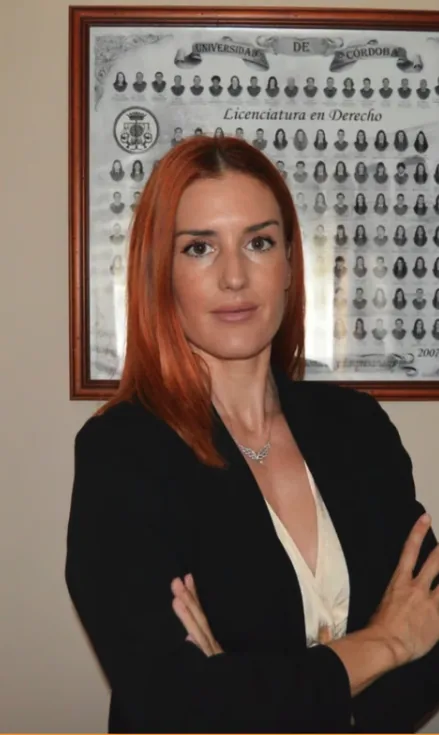
"If you live in the District or the mid-Atlantic and southeastern states it covers, Washington is normally where your application begins. I confirm this mission has jurisdiction over your address before we prepare a thing, so nothing is wasted."
— Lola Jurado · Immigration lawyer, Ilustre Colegio de Abogados de Málaga (nº 10907)
Who the Washington, D.C. mission serves
Spanish consular offices in the United States are organised geographically. Each one is responsible for applicants who legally reside within its assigned territory, and you generally cannot pick a consulate for convenience. The Washington, D.C. mission serves people resident in the District of Columbia together with a defined group of mid-Atlantic and southeastern states. In broad terms, applicants living in the capital region and a band of neighbouring states to the south are typically directed to Washington rather than to New York, Miami or another office.
Because the precise list of states attached to each consulate is set administratively and can be adjusted, we deliberately avoid publishing a fixed roster here. The single most important step before you do anything else is to confirm on the official consulate website that your state of residence falls within the Washington, D.C. jurisdiction. If it does not, the correct office — perhaps New York, Miami, Houston, Chicago, Los Angeles, San Francisco or Boston — will be the one you must use.
Consular jurisdiction — why your state matters
Consular jurisdiction is not a formality. If you apply at the wrong office, the application can be refused on that ground alone, regardless of how strong your file is. The rule exists because each consulate maintains its own appointment system, its own document checklists and, in practice, its own local expectations about how paperwork should be presented.
Jurisdiction is tied to where you legally reside, not where you happen to be, own property, or would find it most convenient to attend.
This matters especially for people who split their time between states, students who have recently moved, or families whose members are registered at different addresses. The safe approach is to establish where you are lawfully resident, confirm that the Washington, D.C. mission covers that location, and only then begin booking. Where your residence is genuinely ambiguous, it is worth taking advice before you commit to a particular office.
Which visas you can apply for
The Washington, D.C. mission handles the main long-stay categories that international clients most often ask about. Each is a distinct visa with its own requirements, and the consulate deals with the initial visa stage that must be completed before you enter Spain.
| Visa | Who it typically suits |
|---|---|
| Non-lucrative (retirement) visa | Retirees and people with sufficient passive income who will live in Spain without working locally. |
| Digital nomad visa | Remote workers and freelancers earning from companies or clients outside Spain. |
| Student visa | Those enrolled in a recognised course, degree or study programme in Spain. |
The non-lucrative visa is the most popular route for retirees and financially independent applicants, because it does not require a job offer. The digital nomad visa suits remote professionals, while the student visa covers formal study. Each has different financial thresholds, insurance requirements and supporting documents, so identifying the right category early shapes everything that follows.
Appointments and how they work
Almost all Spanish consular visa work runs through a booked appointment. In practice this usually means:
- Booking online through the consulate's appointment system, which can have limited slots and periods of high demand.
- Attending in person — long-stay visa applications generally require the applicant to appear so that documents can be submitted and, where relevant, biometrics or signatures taken.
- Submitting the complete file at the appointment; a missing or incorrectly prepared document can mean the file is not accepted, or is accepted but later queried.
Because appointment availability varies and cannot be guaranteed, it is sensible to begin preparing documents in parallel with looking for a slot, rather than waiting until an appointment is confirmed. That way your file is ready when the date arrives.
What to bring to your appointment
The exact checklist depends on the visa, but long-stay applications generally revolve around a common core. Treat the following as an orientation, not a definitive list, and always cross-check the current requirements published by the consulate for your specific visa:
- A completed national visa application form, signed.
- A valid passport with sufficient remaining validity and blank pages, plus copies.
- Passport-style photographs meeting the required specification.
- Evidence supporting the specific visa — for example, proof of income and means for the non-lucrative visa, remote-work evidence for the digital nomad visa, or an admission letter for the student visa.
- Private health insurance meeting the applicable conditions.
- A criminal-record certificate (for US applicants, typically the FBI background check), properly apostilled and translated.
- Any civil-status documents relevant to your family situation, such as marriage or birth certificates, again apostilled and translated where required.
Apostille, FBI check and sworn translation
Three practical steps trip up more applicants than any other, so they deserve special attention. For a fuller walk-through, see our guide to apostilles and sworn translations for Spain.
The FBI background check. US applicants are usually asked for a federal criminal-record certificate. Obtaining it, and then having it recognised abroad, takes time — so this is normally the item to start first, not last.
The apostille. Public documents intended for use in Spain generally need a Hague apostille, which authenticates the document for use in another Hague Convention country. An FBI check and other federal documents are apostilled through the relevant US federal authority; documents issued by a US state are apostilled by that state. Getting the apostille from the correct authority is essential — an otherwise perfect document without the right apostille may not be accepted.
The sworn translation. Documents that are not already in Spanish typically need an official sworn translation. Spain has specific expectations about who may produce translations that its authorities will accept, so an informal or machine translation is rarely sufficient for an official file.
Order matters: obtain the document, apostille it, and only then translate it — so the translation also covers the apostille where that is required.
A realistic preparation timeline
Applicants often underestimate how long the paperwork takes, and the visa file is only as fast as its slowest document. While every case differs and we give no fixed durations here, a sensible sequence is:
- Confirm your consulate jurisdiction and choose the correct visa category.
- Request the FBI background check early, since it sits on the critical path.
- Gather civil-status and financial documents in parallel.
- Apostille each public document through the correct authority.
- Arrange sworn translations once the apostilles are in hand.
- Book the consular appointment and assemble the final file.
Running these steps in parallel, rather than one after another, is usually what keeps a move on schedule. If you would like help with the non-lucrative visa document list specifically, that is a common starting point for retirees; pair it with our document validity calendar and pre-submission file review before the Washington, D.C. appointment so the slow documents, insurance evidence and translations do not go stale.
Common mistakes to avoid
- Applying at the wrong consulate. Convenience is not a valid basis; jurisdiction follows your legal residence.
- Leaving the FBI check too late. It is often the item that determines whether you make your target date.
- Apostilling at the wrong authority. Federal and state documents are apostilled through different bodies.
- Using an unofficial translation. Spanish authorities expect translations produced to their standard.
- Bringing only copies. Originals are frequently required alongside them.
- Assuming last year's checklist still applies. Requirements and jurisdiction can change, so verify the current version.
After the visa: what happens in Spain
The consular visa is the entry key, not the end of the process. For most long-stay categories, once you arrive in Spain there are further local steps — such as registering, obtaining your foreigner's identity card and completing residence formalities within the required window. Planning those steps before you leave the United States means you are not scrambling once you land. The consular stage in Washington, D.C. and the in-country stage in Spain are two halves of the same journey, and a good preparation treats them as one continuous plan.
Whichever visa you are pursuing, the underlying discipline is the same: confirm the right office, choose the right category, and build a document file that is complete, correctly legalised and correctly translated. Get those foundations right and the appointment itself becomes a formality rather than a hurdle. If you are unsure which mission covers you or which visa fits your circumstances, that is exactly the kind of question worth resolving before you spend on flights, apostilles and translations.
Frequently asked questions
Do I have to apply at the consulate for my state of residence?
Yes. Spanish consulates operate by geographic jurisdiction, and you must apply at the office competent for where you legally reside. Confirm on the official site that your state falls within the Washington, D.C. jurisdiction.
Which visas does the Washington, D.C. mission handle?
The main long-stay categories, including the non-lucrative (retirement) visa, the digital nomad visa and the student visa. Each has its own requirements.
What usually needs an apostille and translation?
Public documents such as the FBI background check and civil-status certificates typically need a Hague apostille and an official sworn translation into Spanish. Verify the current requirements for your visa.
How long does it take to prepare?
It varies by case and by how quickly each document is issued and legalised. The FBI check is often the slowest item, so start it early and run the other steps in parallel.
General information, not legal advice. Consular jurisdictions, visa requirements and document rules change and must be confirmed on the official consulate website and for your specific circumstances. This page does not list an address or fixed jurisdiction roster precisely because those details are set by the authorities and can change.